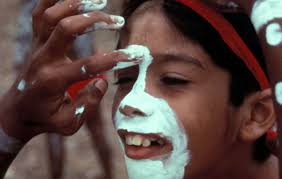
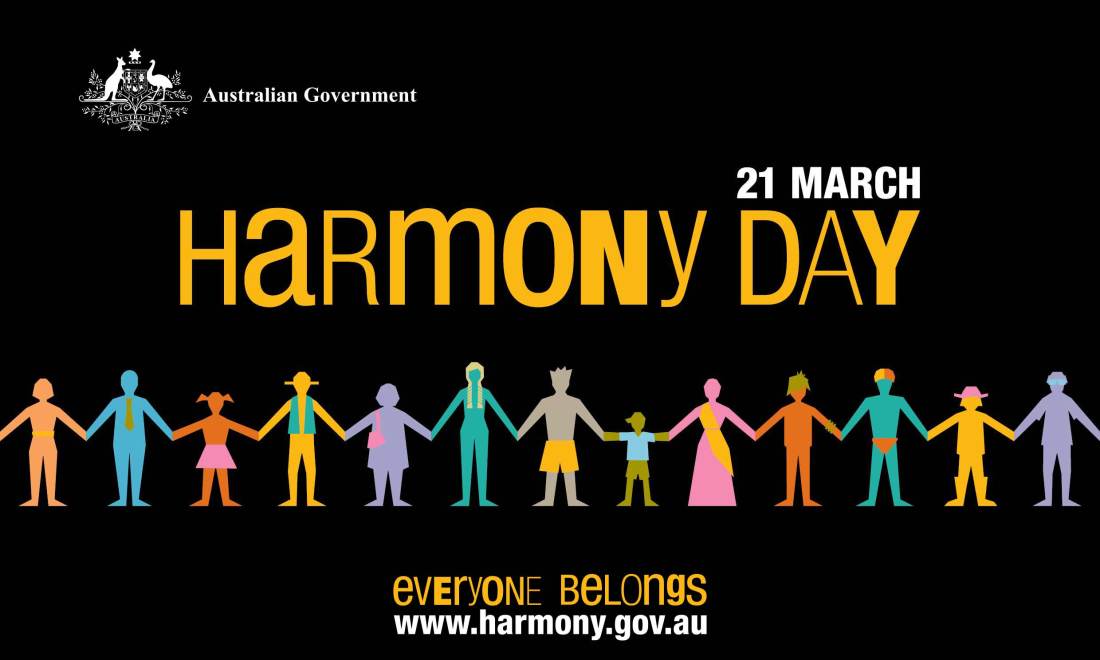
Australia is hailed as one of the most successful multicultural countries in the world. In the discourse around multiculturalism, Indigenuity is often positioned as one, homogeneous ethnicity amidst a group of cultural ethnicities who can lay claim to belonging in Australia (Kamp et al, 2018).
There is a prevailing assumption in Australia that Indigenous people are distrustful of multiculturalism. Research has shown however, that the unrest arises in the placing of Indigenuity within the discourse of multiculturalism (Kamp et al, 2018).
In the research, Indigenous Australians have reported that to include Indigenuity in the conversation about multiculturalism in Australia is to reduce them to simply another ethnic group. This then denies the different experiences and status of Indigenous Australians as the original inhabitants of this country. It also denies the history of genocide and dispossession of their people and the matter that Indigenous sovereignty was never ceded (Van den Berg, 2002).
The research also argues that in reducing Indigenous Australians to a single ethnic group within the cultural diversity of immigrant ethnic groups strengthens the notions of the Anglo settler society as the dominant, superior citizens of Australia (Kamp et al, 2018).
When speaking about multiculturalism in Australia it is important to remember that multiculturalism was prevalent here before the arrival of Captain Cook.
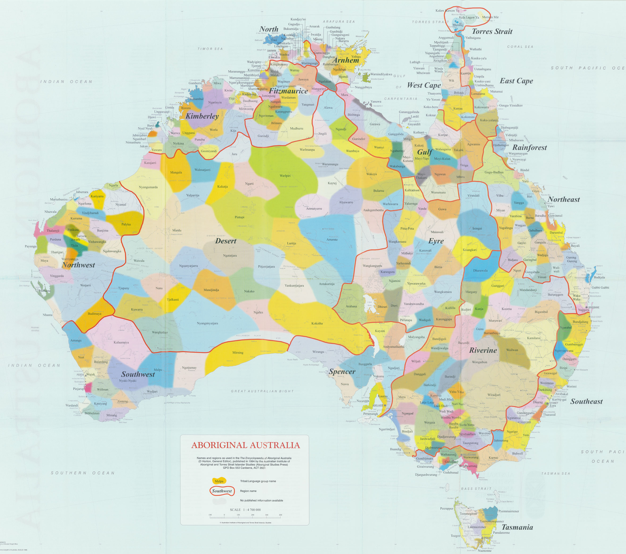
Broadly speaking, Indigenous Australians are described as two distinct cultural groups – Aboriginal and Torres Strait Islanders. There is, however, over 300 different language groups under this umbrella term as exemplified in the map above. Along with their unique languages, many of these groups hold distinct cultural customs, knowledge systems and their own, particular connection to country.
The shared experience that Indigenous Australians and the immigrant groups do have, however, is the experience of experiencing racism.
This is apparent in all dimensions of social justice. In the political and cultural dimension, immigrant groups and Indigenous Australians are not equally represented on the political stage or in mainstream media. In the social dimension, these groups of people are often socially excluded. In the economic dimension. redistribution is sorely lacking as is evidenced by the huge difference in health outcomes.
So, while Australia is celebrated as a successful multicultural nation, what has happened to the myriad of cultures of the First Peoples of Australia in the process?
References:
Kamp, A, Dunn, K, Paradies, Y & Blair, K 2018, ‘Aboriginal and Torres Strait Islander people’s attitudes towards Australian multiculturalism, cultural diversity, “race” and racism, 2015-16’, Australian Aboriginal Studies, no. 2, pp. 50–70
Van den Berg, Rosemary. 2002, Nyoongar people of Australia : perspectives on racism and multiculturalism / by Rosemary Van den Berg Brill Leiden ; Boston
 Multiculturalism and Discrimination in Australia